Let’s Write LaTeX together.
LetX is a free online collaborative LaTeX editor for student teams. Compile in seconds, work together in real time, and keep your unpublished work private.
\documentclass{article}
\usepackage{amsmath}
\begin{document}
\begin{align*}
  e^{i\pi} + 1 &= 0 \\[1ex]
  \int_{0}^{\infty} e^{-x^2} dx &= \frac{\sqrt{\pi}}{2}
\end{align*}
\end{document}
A real editing session
Invite your team, edit together in real time, and compile to PDF in seconds, exactly how LetX works.
Synergistic Application of Machine Learning and Computer Vision for the Detection of Exoplanets and Stars
Shihab Shahriar Antor Ashraful Kabir Alif
Department of Computer Science, BRAC University
Abstract— We present a framework that detects faint exoplanets in JWST/MIRI coronagraph imagery using contrastive and few-shot learning, separating planetary signals from bright host stars under low signal-to-noise. On held-out fields it outperforms CNN and GNN baselines while using far fewer labels.
Keywords: exoplanets, direct imaging, contrastive learning, few-shot learning, JWST
1. Introduction
Figure 1: JWST/MIRI direct imaging of a faint exoplanet (b) beside its host star.
Direct imaging of exoplanets is fundamentally limited by the overwhelming glare of the host star. Modern coronagraphs on JWST/MIRI suppress this stellar light, yet faint planetary signals remain buried in structured noise. As shown in Figure 1, the planet sits within the diffraction pattern of its star, making detection a needle-in-a-haystack problem. We cast this as a representation-learning task and show that contrastive objectives recover signals that pixel-wise classifiers miss.
2. Method
We learn a discriminative embedding with a contrastive objective, pulling together augmented views of one source and pushing apart star and planet candidates:
A few-shot head then adapts to new instruments from a handful of labelled detections, which is critical given the scarcity of confirmed direct-imaging targets.
3. Results
On held-out fields the model recovers 92% of injected planets at a false-positive rate below 0.1 per frame, outperforming CNN and GNN baselines by 14 and 9 points of recall respectively.
Synergistic Application of Machine Learning and Computer Vision for the Detection of Exoplanets and Stars
Shihab Shahriar Antor Ashraful Kabir Alif
Department of Computer Science, BRAC University
Abstract— We present a framework that detects faint exoplanets in JWST/MIRI coronagraph imagery using contrastive and few-shot learning, separating planetary signals from bright host stars under low signal-to-noise. On held-out fields it outperforms CNN and GNN baselines while using far fewer labels.
Keywords: exoplanets, direct imaging, contrastive learning, few-shot learning, JWST
1. Introduction
Figure 1: JWST/MIRI direct imaging of a faint exoplanet (b) beside its host star.
Direct imaging of exoplanets is fundamentally limited by the overwhelming glare of the host star. Modern coronagraphs on JWST/MIRI suppress this stellar light, yet faint planetary signals remain buried in structured noise. As shown in Figure 1, the planet sits within the diffraction pattern of its star, making detection a needle-in-a-haystack problem. We cast this as a representation-learning task and show that contrastive objectives recover signals that pixel-wise classifiers miss.
2. Method
We learn a discriminative embedding with a contrastive objective, pulling together augmented views of one source and pushing apart star and planet candidates:
A few-shot head then adapts to new instruments from a handful of labelled detections, which is critical given the scarcity of confirmed direct-imaging targets.
3. Results
On held-out fields the model recovers 92% of injected planets at a false-positive rate below 0.1 per frame, outperforming CNN and GNN baselines by 14 and 9 points of recall respectively.
Done in 1.4s, the figure renders. Recompile anytime, free.
Used by students & faculty at universities worldwide
Students and researchers at BRAC University, TU Munich, the University of Hamburg, UPC Barcelona, the University of Ottawa, and 230+ universities & labs across 50+ countries write on LetX.
 BRAC UniversityBangladesh
 TU MunichGermany
 University of OttawaCanadaUGAUniversity of GeorgiaUSA
 UPC BarcelonaSpain
 University of WarsawPoland
 IIIT DelhiIndia
 NIT HamirpurIndia
 North South UniversityBangladeshHCMHCMC Univ. of TechnologyVietnam
 BYU–IdahoUSA
 Daffodil Int'l UniversityBangladesh
 United International Univ.BangladeshPMPolitecnica delle MarcheItalyHLHTWK LeipzigGermanyBPBITS PilaniIndiaUDPUniv. Diego PortalesChileBJUTBeijing Univ. of Tech.ChinaESPESPRITTunisiaUABCUABCMexicoBUBenha UniversityEgyptMUMarwadi UniversityIndiaAUSTAUSTBangladeshUHHUniversity of HamburgGermanyUSALUniversity of SalamancaSpainTULŁódź Univ. of TechnologyPolandINGVINGV (Geophysics)ItalyENITENITTunisiaCUCairo UniversityEgyptUFBAFederal Univ. of BahiaBrazilUTECUTECPeruNTUTTaipei Tech (NTUT)TaiwanBUETBUETBangladeshCUETCUETBangladeshUVCEUVCE BangaloreIndiaBRAC UniversityBangladeshTU MunichGermanyUniversity of OttawaCanadaUGAUniversity of GeorgiaUSAUPC BarcelonaSpainUniversity of WarsawPolandIIIT DelhiIndiaNIT HamirpurIndiaNorth South UniversityBangladeshHCMHCMC Univ. of TechnologyVietnamBYU–IdahoUSADaffodil Int'l UniversityBangladeshUnited International Univ.BangladeshPMPolitecnica delle MarcheItalyHLHTWK LeipzigGermanyBPBITS PilaniIndiaUDPUniv. Diego PortalesChileBJUTBeijing Univ. of Tech.ChinaESPESPRITTunisiaUABCUABCMexicoBUBenha UniversityEgyptMUMarwadi UniversityIndiaAUSTAUSTBangladeshUHHUniversity of HamburgGermanyUSALUniversity of SalamancaSpainTULŁódź Univ. of TechnologyPolandINGVINGV (Geophysics)ItalyENITENITTunisiaCUCairo UniversityEgyptUFBAFederal Univ. of BahiaBrazilUTECUTECPeruNTUTTaipei Tech (NTUT)TaiwanBUETBUETBangladeshCUETCUETBangladeshUVCEUVCE BangaloreIndia
Real-time Collaboration
Write together in real time. Edits merge without conflicts, no more emailing .tex files or overwriting each other, and full version history lets you roll back to any point.
- Conflict-free editing (Yjs CRDT)
- Unlimited collaborators: free
- Full version history
Direct Imaging of Exoplanets
Coronagraphs on JWST/MIRI suppress the host star’s glare, yet faint planetary signals stay buried in structured stellar noise.
We recover them with contrastive and few-shot learning, separating planet candidates from the star even at very low signal-to-noise.
An assistant that edits your document
Ask in plain words. Lexi reads your project, proposes the change, compiles it to check it builds, and applies it where you are working.
This is the editor
Your files, your source, your PDF.
A file tree, the LaTeX source, a live PDF, and whoever else is in the document with you. Lexi waits at the bottom of the editor until you ask it something.
A replica of the editor, running the real tool sequence. Pick any one to jump to it.
Instant Templates
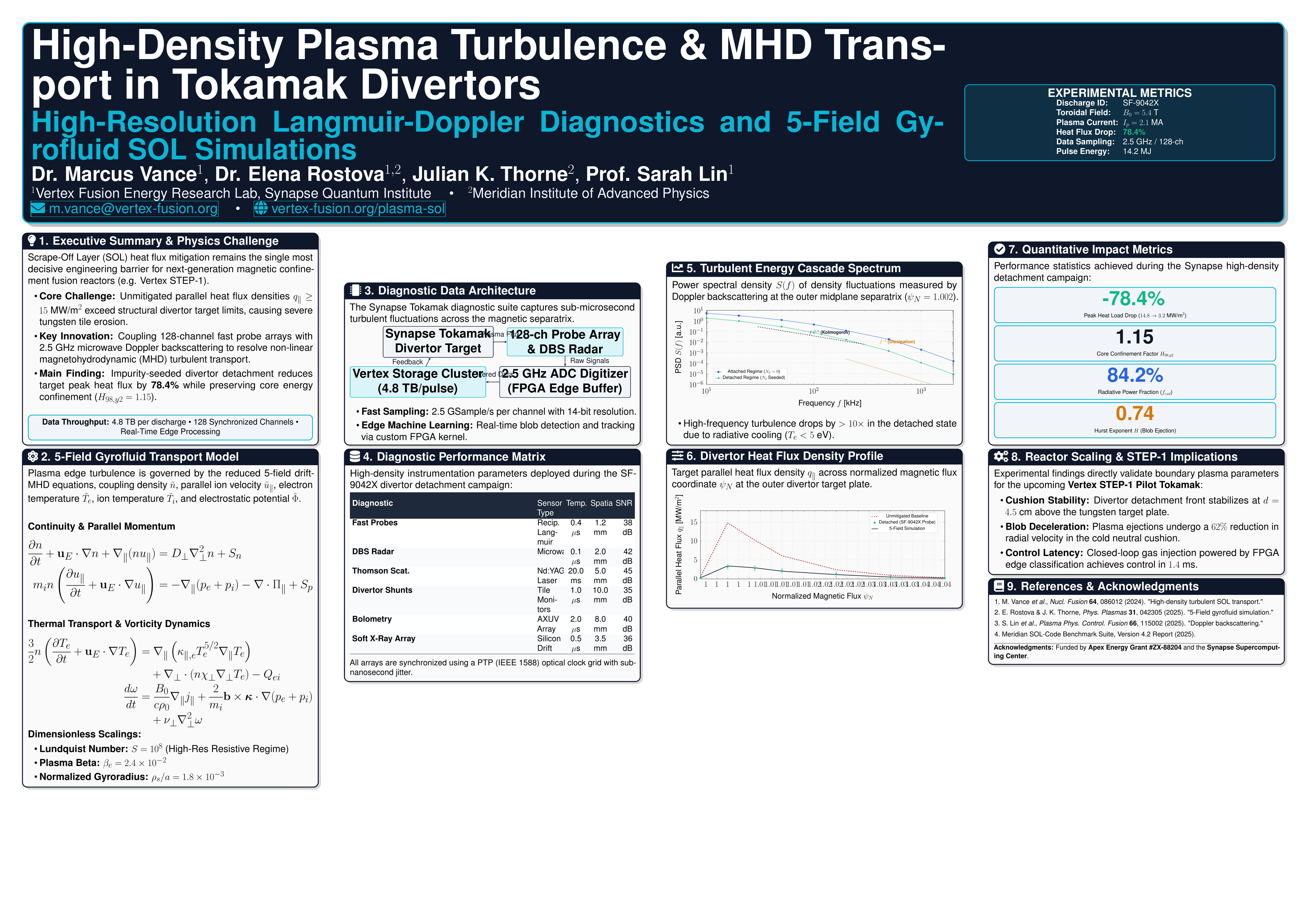
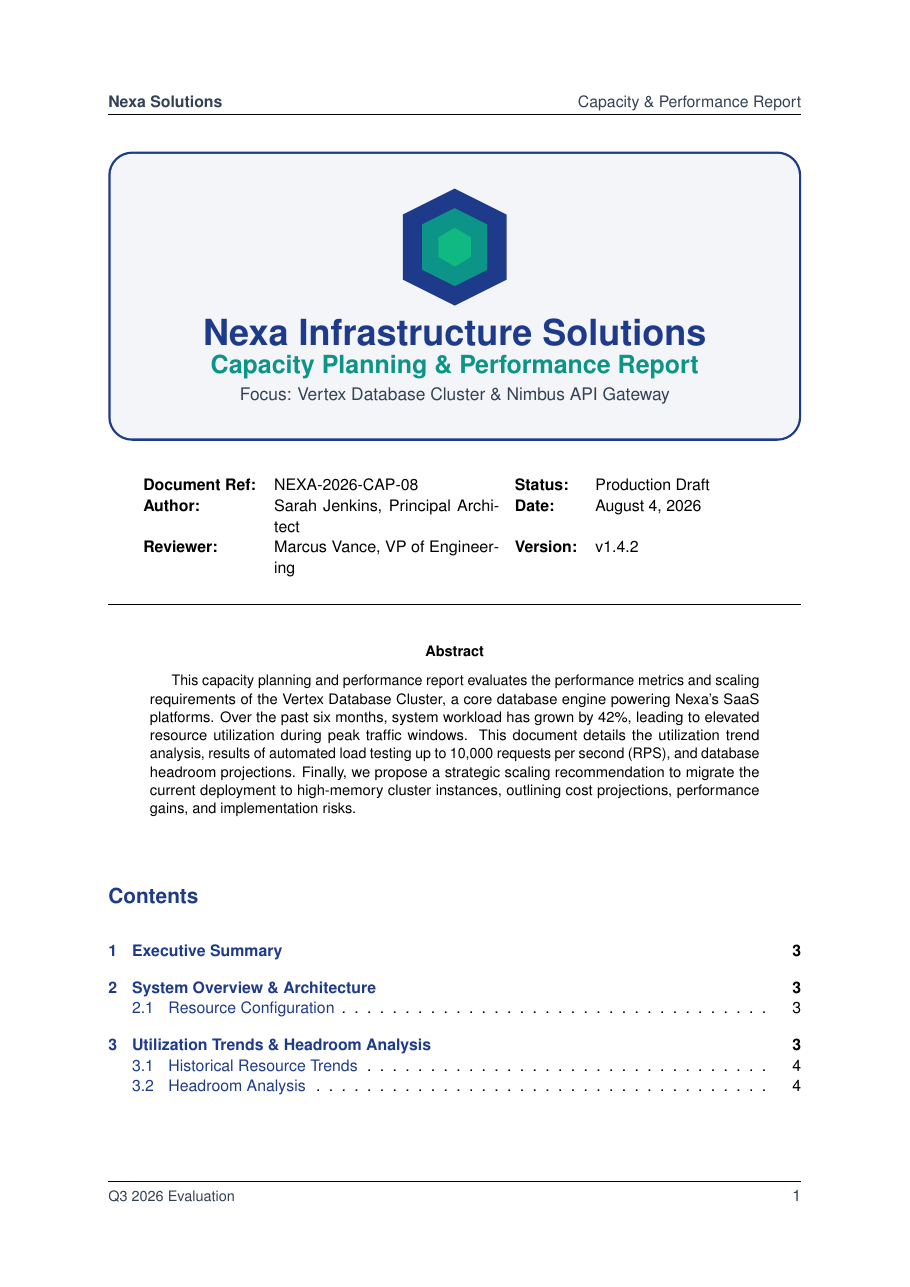
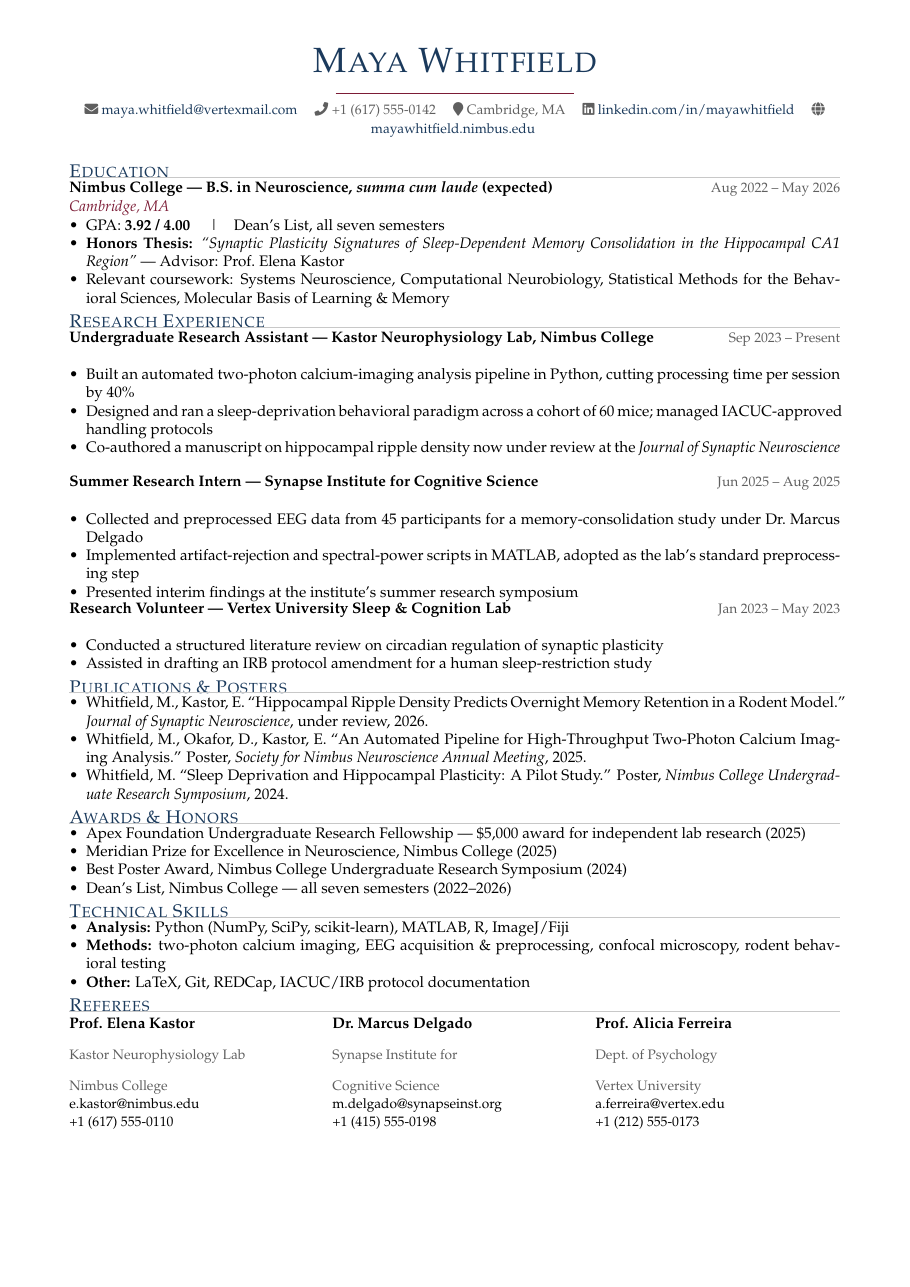
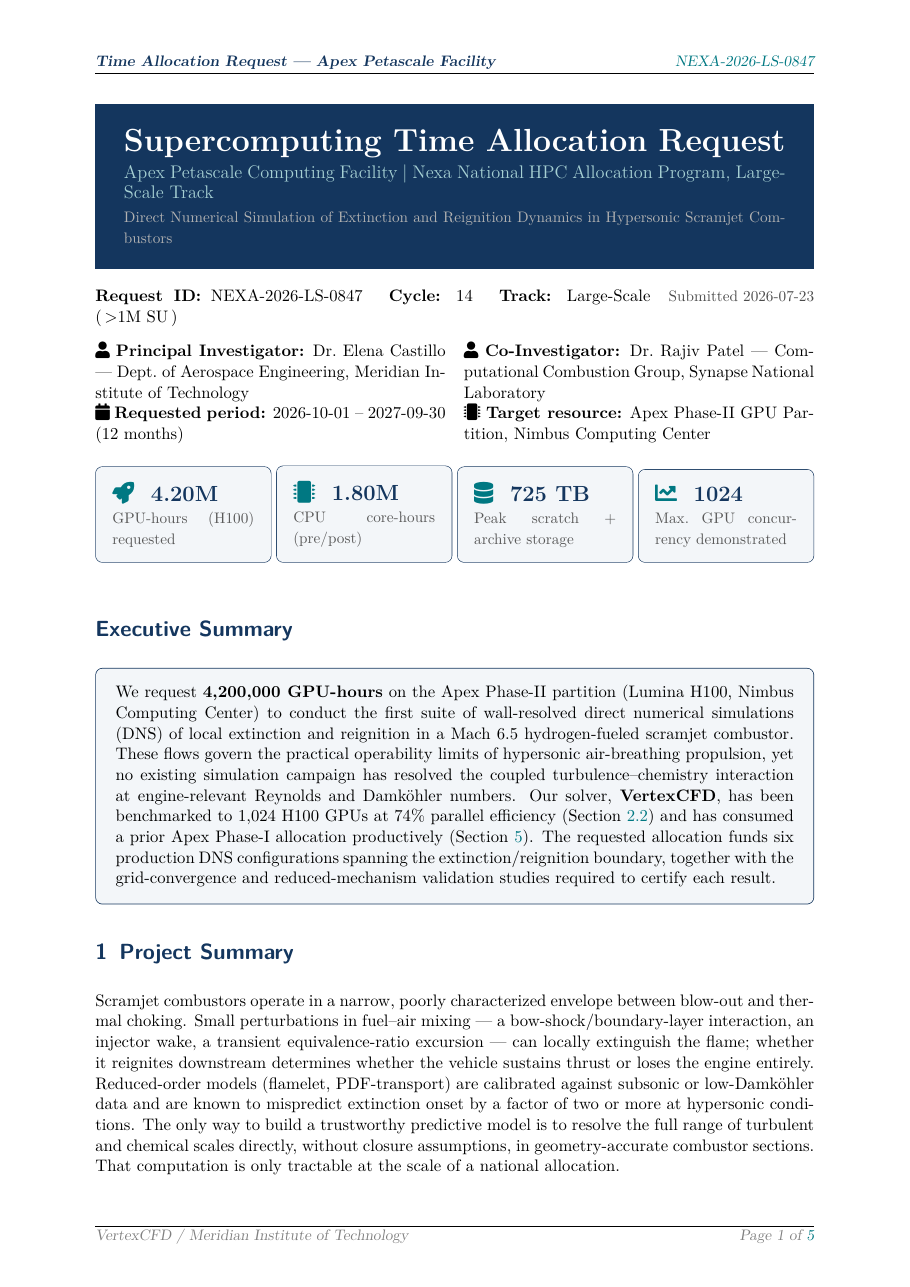
Don't start from scratch. Publisher-ready templates for journals, theses, CVs, résumés, and more.
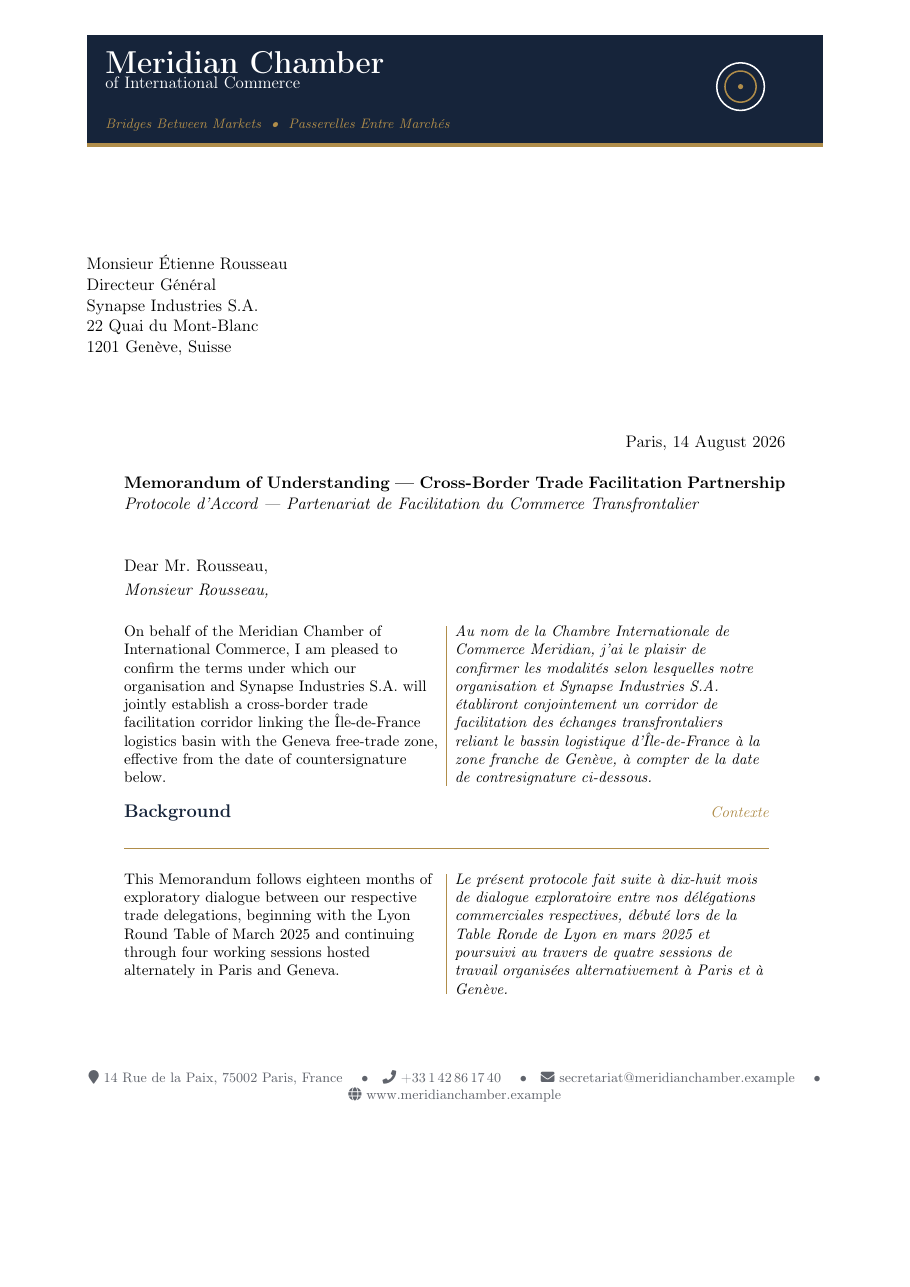
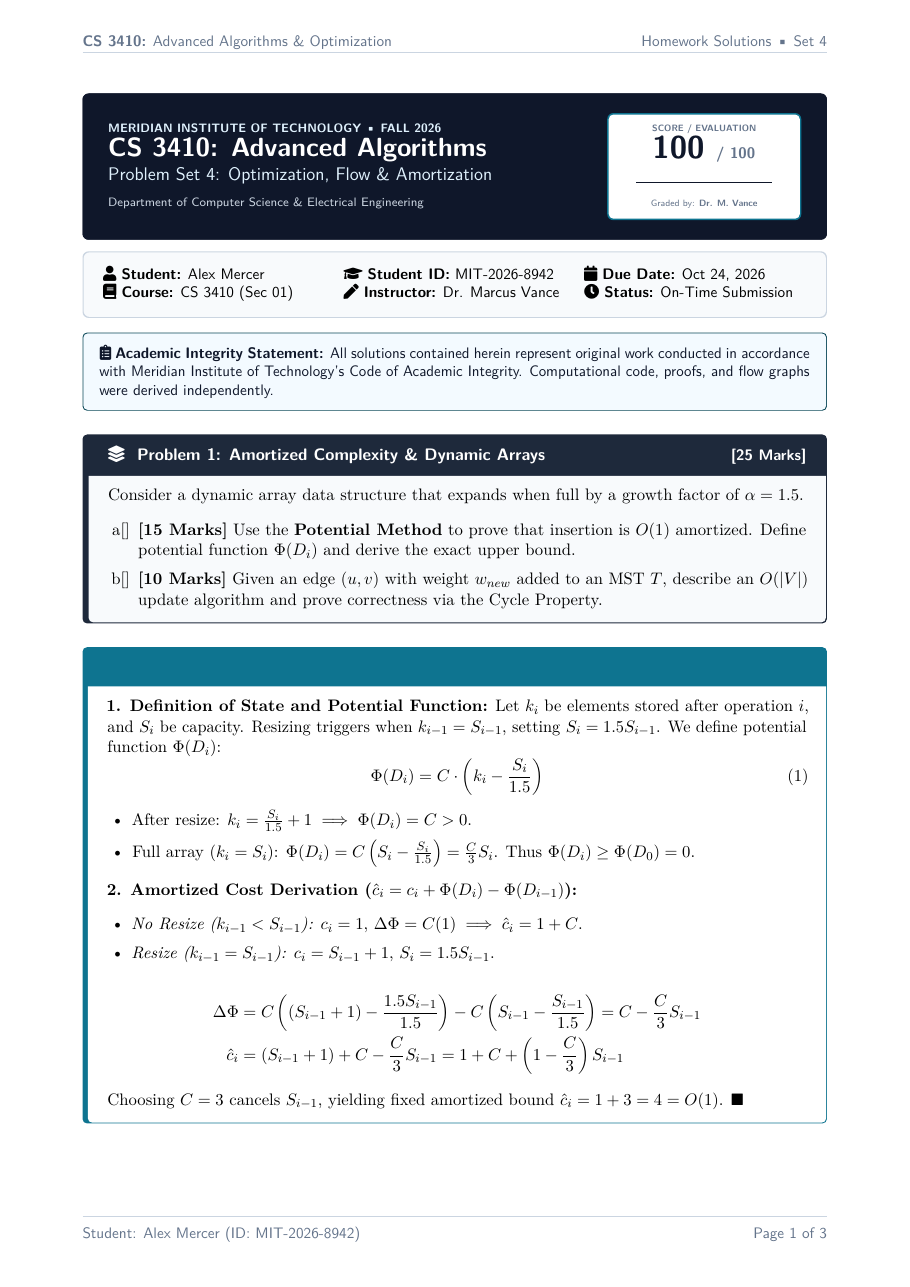
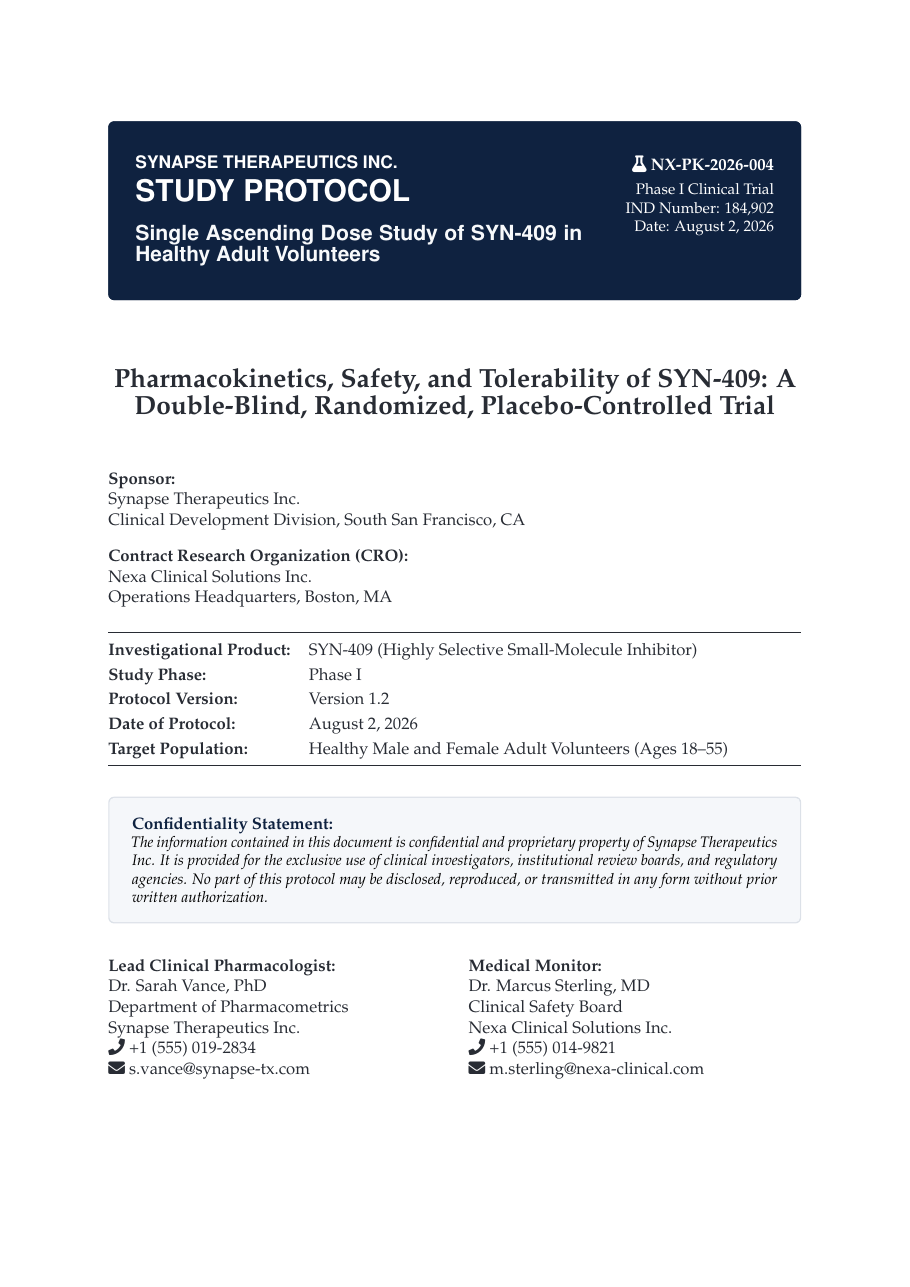
Loved by students and faculty
From the pre-thesis lab to the faculty office, here's what early users at BRAC University and BUET say about writing on LetX.
LetX lets several people edit at once, and I have not run into a cap on how many.
Ready to write your masterpiece?
Join 2,600+ students and researchers writing on LetX today.
Built by researchers, for researchers.
Accelerating scientific discovery by removing the friction from writing.

Shihab Shahriar Antor
"Simplifying the future of academic writing for researchers everywhere."

Ashraful Kabir Alif
"Empowering scientists to focus on their ideas, not on the formatting."
Backed By
Get in Touch
Have questions, feedback, or need support? We'd love to hear from you.
Send us a message
Frequently Asked Questions
Everything you need to know about LetX, the online collaborative LaTeX editor.
What is LetX?
LetX is a free online collaborative LaTeX editor, an Overleaf alternative that runs in your browser with no installation. Teams write LaTeX together in real time, compile to PDF in seconds, and use SyncTeX to jump between source and output.
Is LetX free?
Yes. LetX is free to use with unlimited projects, unlimited collaborators, and 40 compiles a day. Unlike Overleaf, which limits free collaborators, LetX never charges per collaborator, and Pro removes the daily compile limit.
How is LetX different from Overleaf?
LetX offers free unlimited real-time collaborators (Overleaf charges beyond one on its free tier), faster compiles with no queue throttling, and 1000+ ready-to-use academic and CV templates. Both run in the browser with no installation.
Do I need to install anything to use LetX?
No. LetX is fully web-based and works on Mac, Windows, and Linux in any modern browser. There is no LaTeX distribution to install, compilation runs on LetX's servers.
Can I collaborate with others in real time?
Yes. LetX uses Yjs CRDT technology (the same algorithm class as Figma) for merge-conflict-free real-time editing. Multiple people can edit the same document simultaneously and see each other's cursors.
Can I import my existing Overleaf or LaTeX project?
Yes. Use '+ New Project' and select 'Upload ZIP' to import an existing LaTeX project, including projects exported from Overleaf.
Who uses LetX?
Students and researchers at over 230 universities and research labs across 50+ countries write on LetX, including BRAC University, the Technical University of Munich (TUM), UC San Diego, De La Salle University, the University of Bologna, the University of Ottawa, UPC Barcelona, IIIT Delhi, and national labs such as Italy's INGV and Brazil's INPE. It is widely used for theses, journal papers, and lab reports.