مع LetX، لنكتب LaTeX معًا.
LetX هو محرر LaTeX تعاوني مجاني عبر الإنترنت للطلاب وفرق البحث. جمّع مستنداتك في ثوانٍ، واعمل مع الآخرين في الوقت الفعلي، وحافظ على خصوصية أعمالك غير المنشورة.
\documentclass{article}
\usepackage{amsmath}
\begin{document}
\begin{align*}
  e^{i\pi} + 1 &= 0 \\[1ex]
  \int_{0}^{\infty} e^{-x^2} dx &= \frac{\sqrt{\pi}}{2}
\end{align*}
\end{document}
جلسة تحرير حقيقية
ادعُ فريقك، وحرّر معه في الوقت الفعلي، وجمّع مستنداتك إلى PDF في ثوانٍ، تمامًا كما يعمل LetX.
Synergistic Application of Machine Learning and Computer Vision for the Detection of Exoplanets and Stars
Shihab Shahriar Antor Ashraful Kabir Alif
Department of Computer Science, BRAC University
Abstract— We present a framework that detects faint exoplanets in JWST/MIRI coronagraph imagery using contrastive and few-shot learning, separating planetary signals from bright host stars under low signal-to-noise. On held-out fields it outperforms CNN and GNN baselines while using far fewer labels.
Keywords: exoplanets, direct imaging, contrastive learning, few-shot learning, JWST
1. Introduction
Figure 1: JWST/MIRI direct imaging of a faint exoplanet (b) beside its host star.
Direct imaging of exoplanets is fundamentally limited by the overwhelming glare of the host star. Modern coronagraphs on JWST/MIRI suppress this stellar light, yet faint planetary signals remain buried in structured noise. As shown in Figure 1, the planet sits within the diffraction pattern of its star, making detection a needle-in-a-haystack problem. We cast this as a representation-learning task and show that contrastive objectives recover signals that pixel-wise classifiers miss.
2. Method
We learn a discriminative embedding with a contrastive objective, pulling together augmented views of one source and pushing apart star and planet candidates:
A few-shot head then adapts to new instruments from a handful of labelled detections, which is critical given the scarcity of confirmed direct-imaging targets.
3. Results
On held-out fields the model recovers 92% of injected planets at a false-positive rate below 0.1 per frame, outperforming CNN and GNN baselines by 14 and 9 points of recall respectively.
تم، ويظهر الشكل. أعد التجميع في أي وقت، مجاناً.
يستخدمه طلاب وأعضاء هيئة تدريس في جامعات حول العالم
يكتب على LetX طلاب وباحثون في جامعة BRAC، وجامعة ميونخ التقنية، وجامعة هامبورغ، وجامعة UPC في برشلونة، وجامعة أوتاوا، و530+ من الجامعات والمختبرات في 70+ من الدول.
تعاون في الوقت الفعلي
اكتب مع فريقك في الوقت الفعلي. تندمج التعديلات دون تعارض، فلا حاجة بعد الآن إلى تبادل ملفات .tex بالبريد الإلكتروني أو الكتابة فوق تعديلات الآخرين، ويتيح لك سجل الإصدارات الكامل العودة إلى أي نقطة سابقة.
- تحرير بلا تعارضات (Yjs CRDT)
- عدد غير محدود من المتعاونين: مجانًا
- سجل الإصدارات الكامل
Direct Imaging of Exoplanets
Coronagraphs on JWST/MIRI suppress the host star’s glare, yet faint planetary signals stay buried in structured stellar noise.
We recover them with contrastive and few-shot learning, separating planet candidates from the star even at very low signal-to-noise.
مساعد يحرّر مستندك
اطلب بكلمات بسيطة. يقرأ Lexi مشروعك، ويقترح التغيير، ويجمّعه للتحقّق من نجاح التجميع، ثم يطبّق التغيير في الموضع الذي تعمل عليه.
هذا هو المحرر
ملفاتك، ومصدرك، وملف PDF الخاص بك.
شجرة ملفات، ومصدر LaTeX، ومعاينة مباشرة لملف PDF، وكل من يشاركك العمل على المستند. ينتظر Lexi في أسفل المحرر حتى تسأله عن شيء.
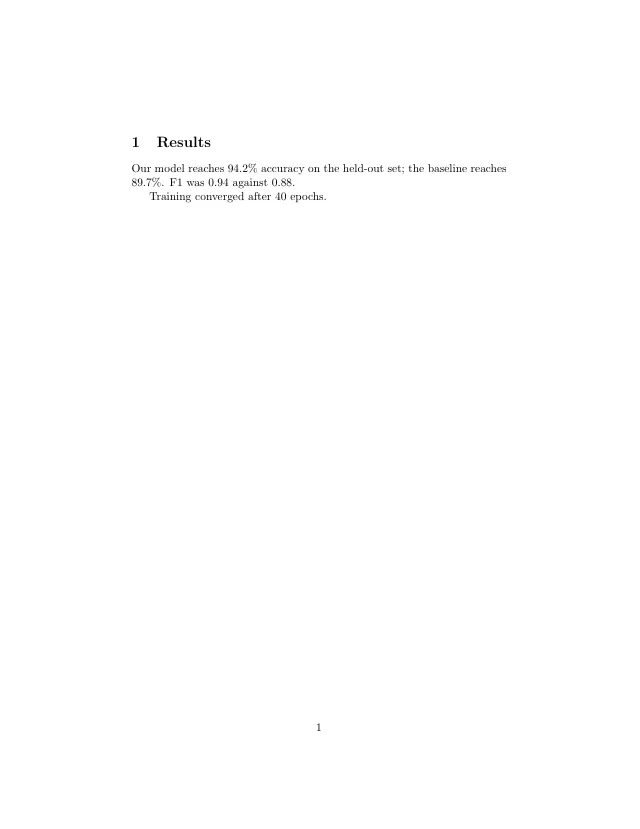
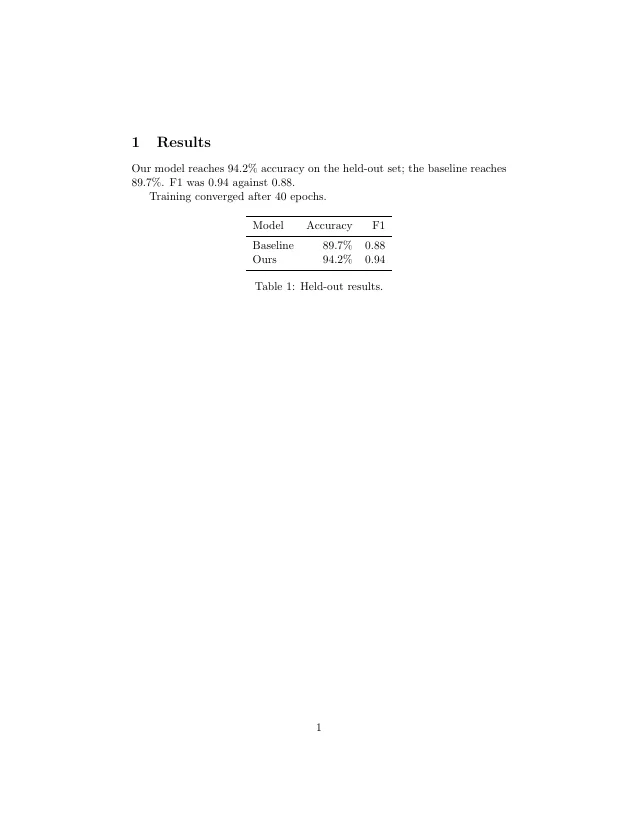
نسخة تحاكي المحرر وتنفّذ التسلسل الفعلي للأدوات. اختر أي عرض للانتقال إليه.
هل تعمل بالفعل في Claude أو ChatGPT؟ يتوفر LetX في دليل موصّلات Claude ويشغّل خادم MCP، لذا يستطيع مساعدك أيضًا تجميع مشاريعك في LetX وتعديلها عند اشتراكك في خطة مدفوعة.
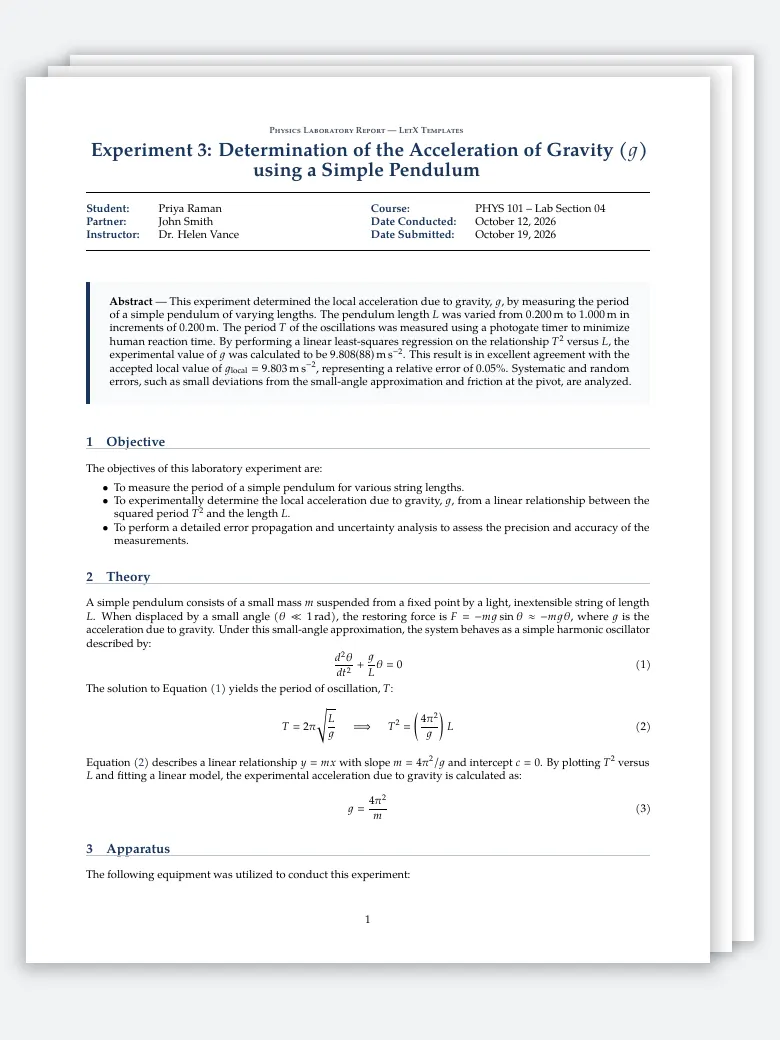
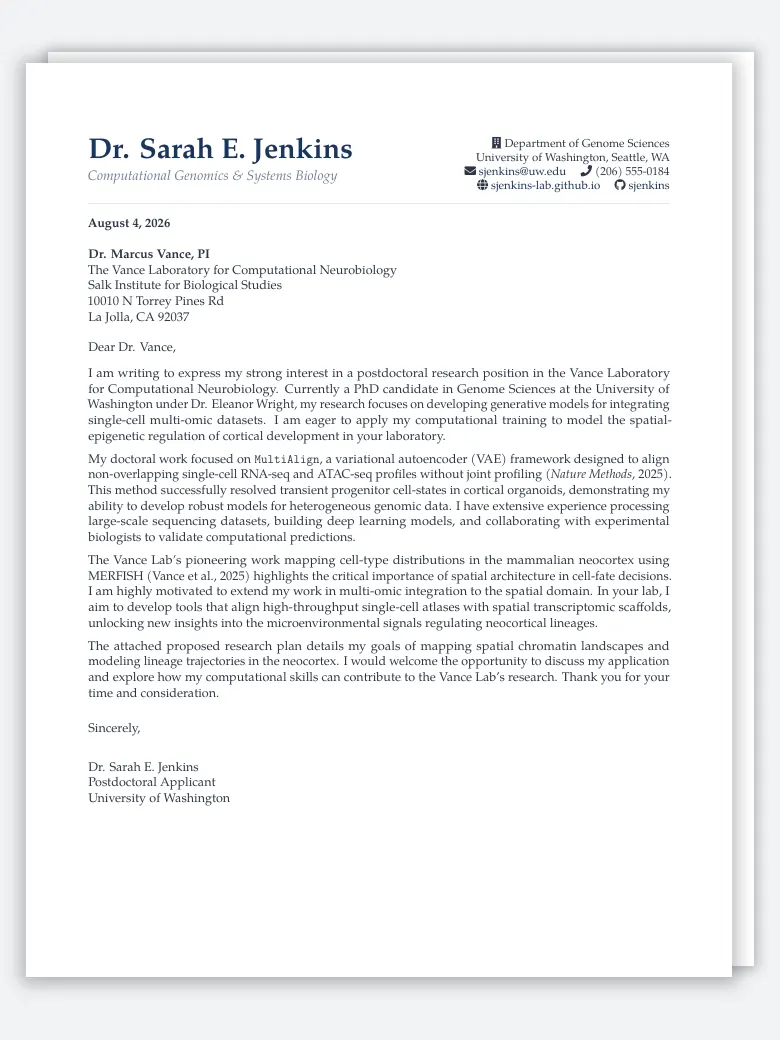
قوالب فورية
لا تبدأ من الصفر. قوالب جاهزة لتلبية متطلبات الناشرين للمجلات والرسائل العلمية والسير الذاتية الأكاديمية والمهنية وغيرها.
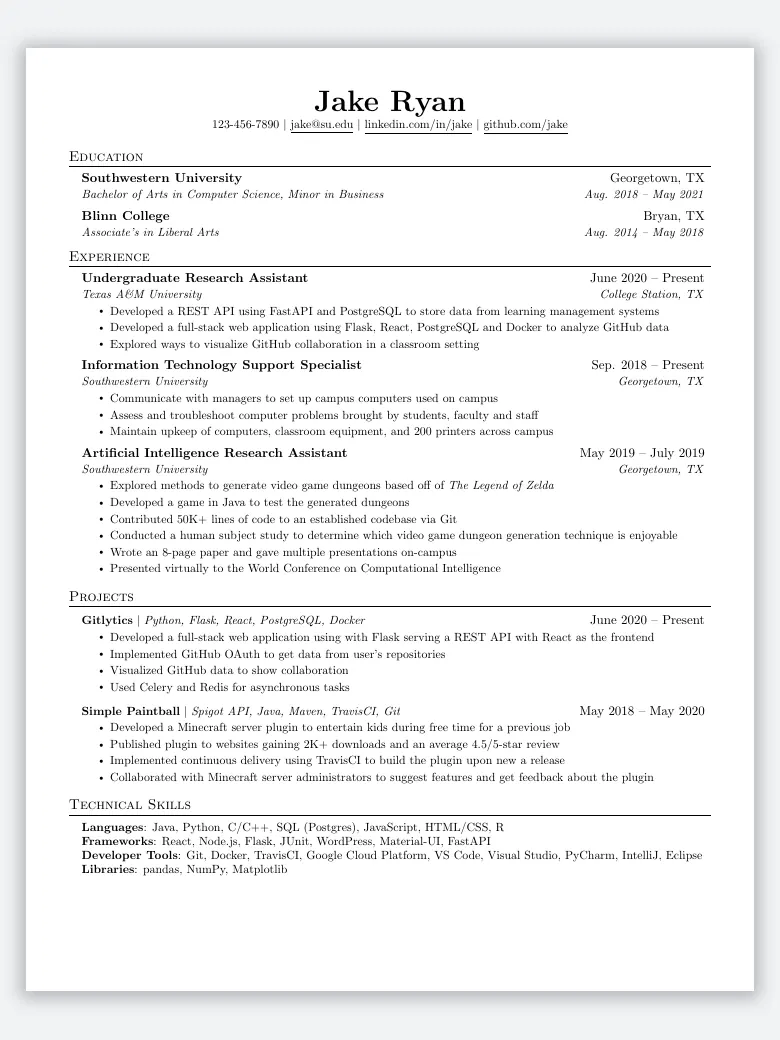
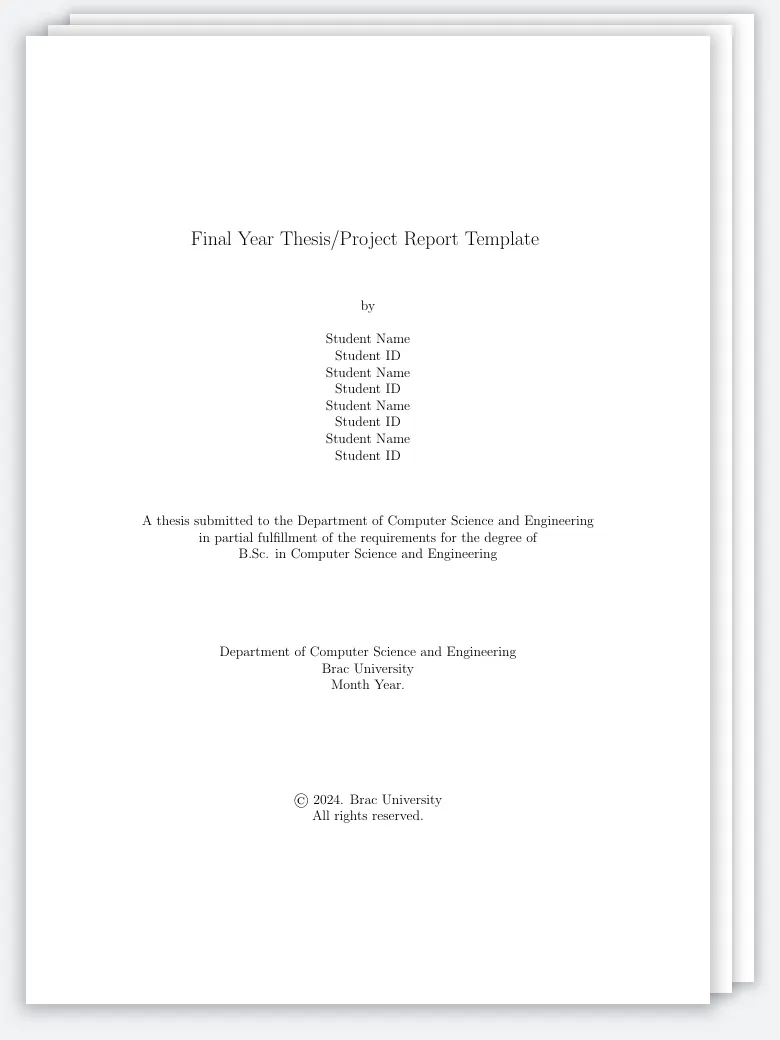
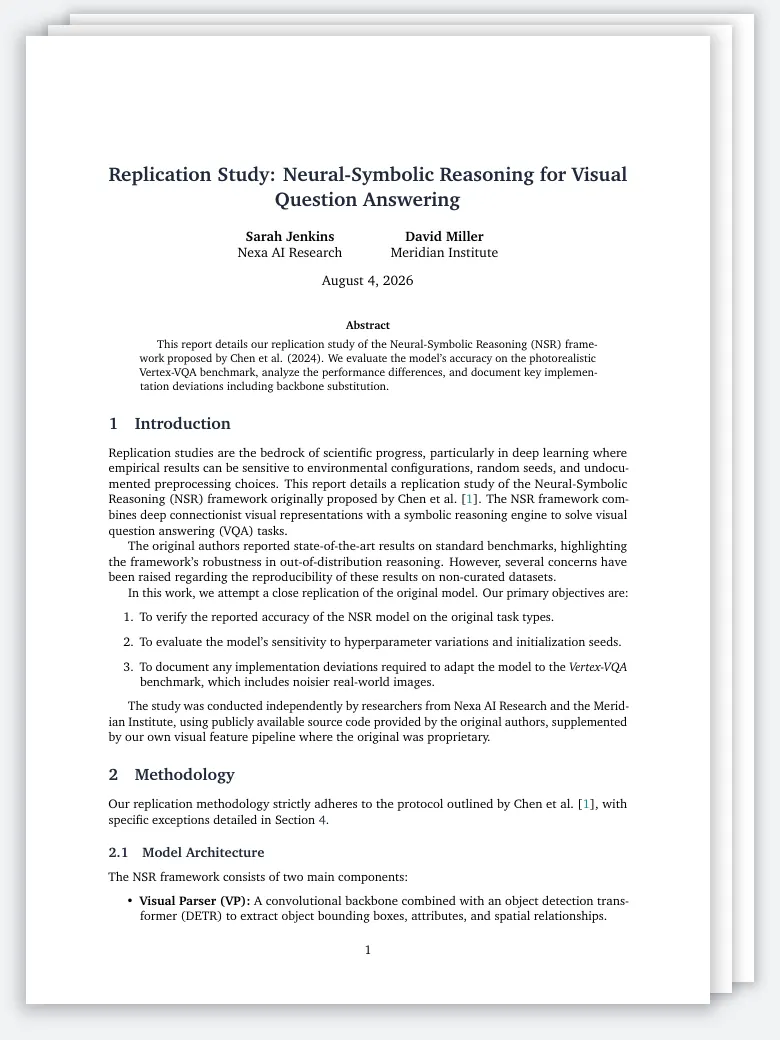
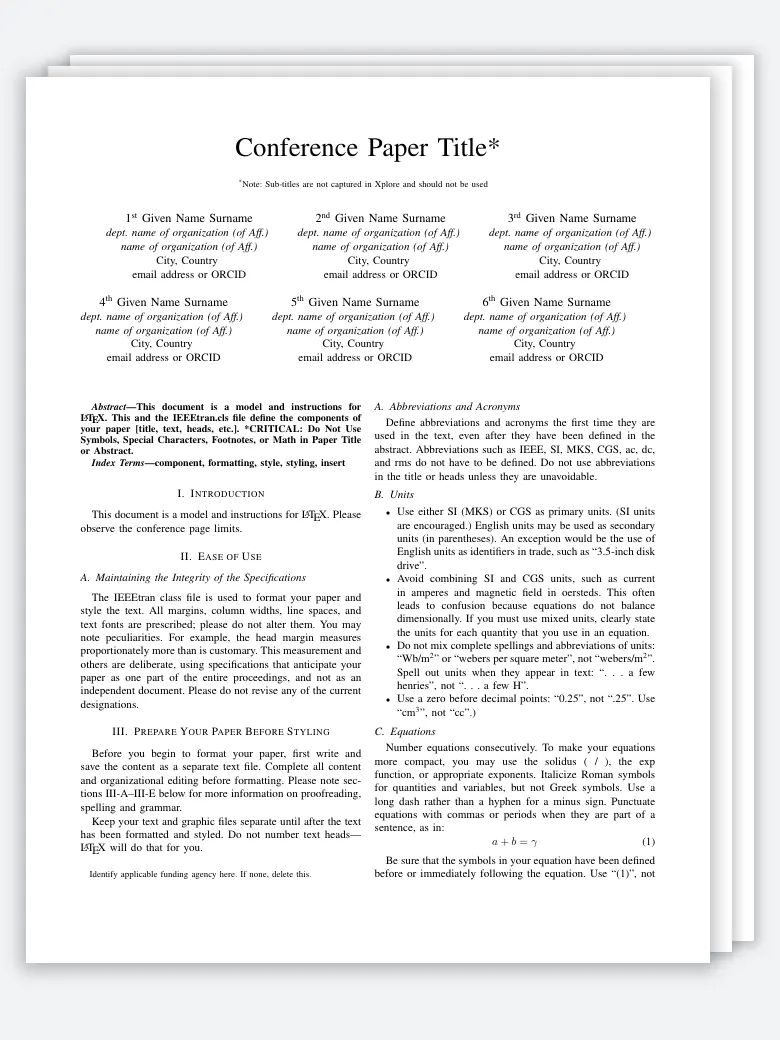
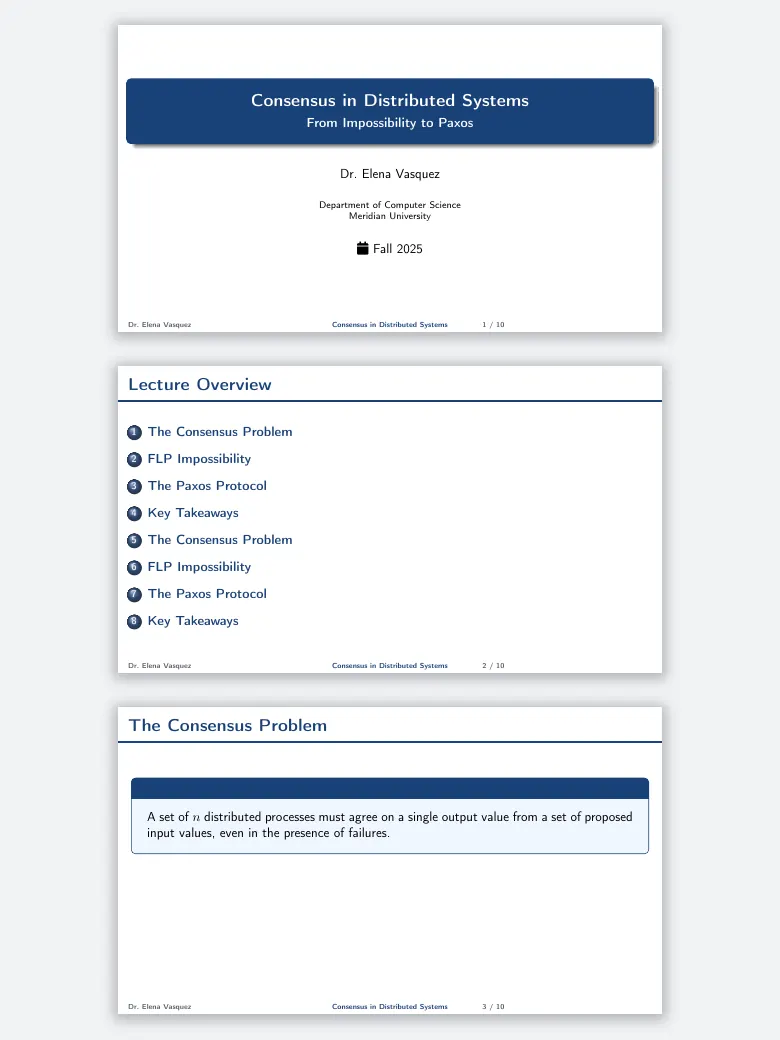
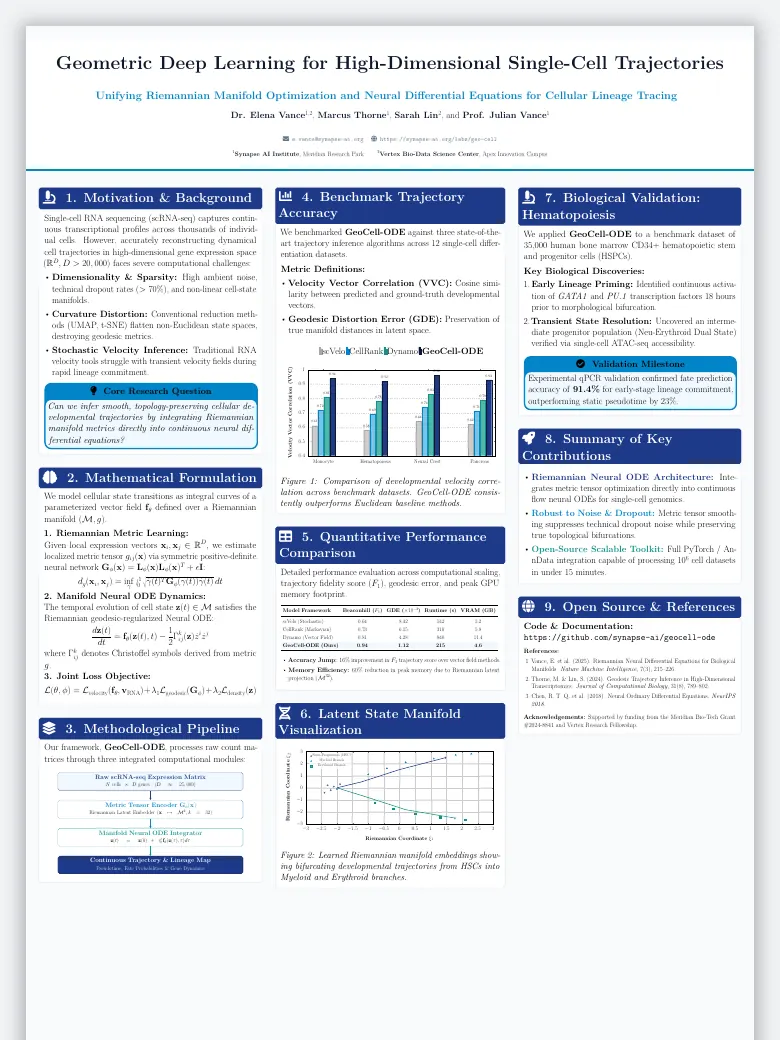
يحظى بإعجاب الطلاب وأعضاء هيئة التدريس
من المختبر قبل إعداد الأطروحة إلى مكتب عضو هيئة التدريس، إليك ما يقوله الطلاب والباحثون في جامعة BRAC وجامعة McGill وغيرهما عن الكتابة باستخدام LetX.
يتيح LetX لعدة أشخاص التحرير في آنٍ واحد، ولم أواجه أي حد للعدد.
مترجم عن الإنجليزية. الأسماء والمؤسسات كما قدمها أصحابها.
هل أنت مستعد لكتابة عملك المتميّز؟
انضمّ اليوم إلى 7,900+ من الطلاب والباحثين الذين يكتبون على LetX.
طوّره باحثون من أجل الباحثين.
تسريع الاكتشاف العلمي بإزالة العوائق من عملية الكتابة.


Ashraful Kabir Alif
"تمكين العلماء من التركيز على أفكارهم بدلًا من التنسيق."
تواصل معنا
هل لديك أسئلة أو ملاحظات، أو تحتاج إلى دعم؟ يسعدنا أن نسمع منك.
أرسل إلينا رسالة
الأسئلة الشائعة
كل ما تحتاج إلى معرفته عن LetX، محرّر LaTeX التعاوني عبر الإنترنت.
ما هو LetX؟
إن LetX هو محرر LaTeX تعاوني مجاني عبر الإنترنت، وبديل لمنصة Overleaf يعمل في متصفحك دون الحاجة إلى تثبيت. تكتب الفِرَق مشاريع LaTeX معاً في الوقت الفعلي، وتقوم بتجميعها إلى PDF في ثوانٍ، وتستخدم SyncTeX للتنقل بين المصدر والمخرجات.
هل LetX مجاني؟
نعم. استخدام LetX مجاني بمشاريع غير محدودة، ومتعاونين غير محدودين، و40 عملية تجميع في اليوم. على عكس Overleaf، الذي يقيّد عدد المتعاونين المجانيين، لا يفرض LetX رسوماً على كل متعاون أبداً، وتزيل خطة Pro الحد اليومي لعمليات التجميع.
بماذا يختلف LetX عن Overleaf؟
يتيح LetX عددًا غير محدود من المتعاونين في الوقت الفعلي مجانًا (بينما يفرض Overleaf رسومًا عند تجاوز متعاون واحد في خطته المجانية)، ويجمع المستند المعتاد في بضع ثوانٍ، ويوفّر أكثر من 1000 قالب أكاديمي وقالب للسير الذاتية جاهز للاستخدام. ويعمل كلاهما في المتصفح دون تثبيت.
هل أحتاج إلى تثبيت أي شيء لاستخدام LetX؟
لا. يعتمد LetX بالكامل على الويب ويعمل على أنظمة Mac و Windows و Linux في أي متصفح حديث. لا توجد توزيعة LaTeX يجب تثبيتها، فعملية التجميع تتم على خوادم LetX.
هل يمكنني التعاون مع الآخرين في الوقت الفعلي؟
نعم. يستخدم LetX تقنية Yjs CRDT (نفس فئة الخوارزميات المستخدمة في Figma) للتحرير في الوقت الفعلي دون تعارض في الدمج. يمكن لعدة أشخاص تحرير نفس المستند في وقت واحد ورؤية مؤشرات بعضهم البعض.
هل يمكنني استيراد مشروعي الحالي من Overleaf أو LaTeX؟
نعم. استخدم '+ New Project' وحدد 'Upload ZIP' لاستيراد مشروع LaTeX موجود، بما في ذلك المشاريع المصدرة من Overleaf.
من يستخدم LetX؟
يكتب الطلاب والباحثون في 530+ من الجامعات ومختبرات الأبحاث في 70+ من الدول على LetX، وأكبر المجموعات في جامعة براك، وجامعة سورابايا الحكومية، والجامعة الوطنية المستقلة في المكسيك (UNAM)، وجامعة كاليفورنيا في سان دييغو، وجامعة وندسور. يُستخدم على نطاق واسع في الرسائل الجامعية، والأوراق العلمية، وتقارير المختبرات.